
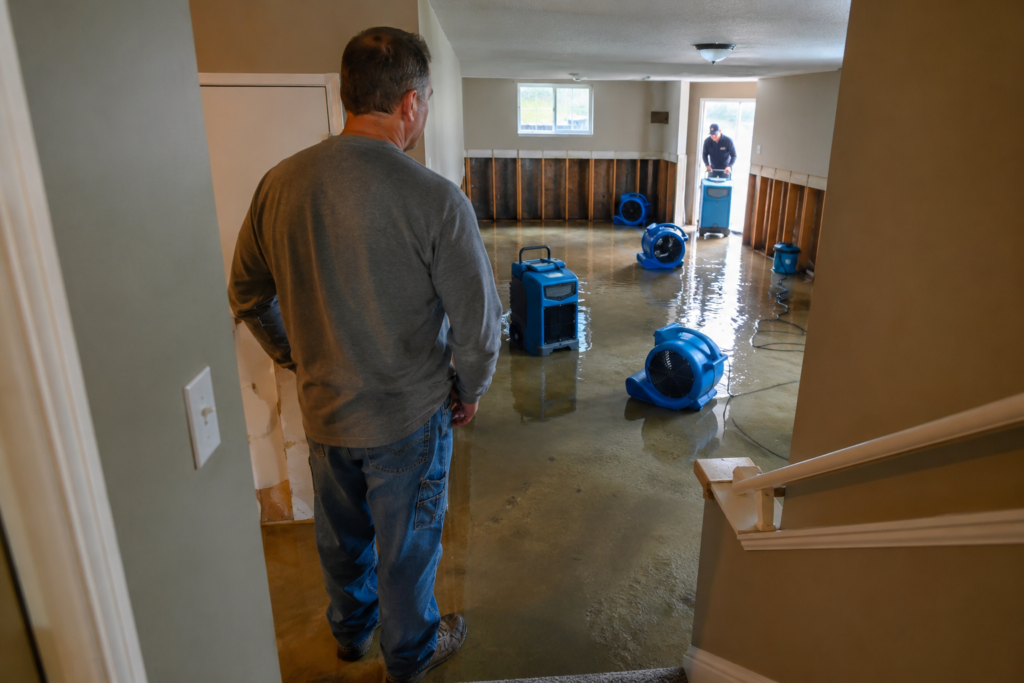
Last spring, a homeowner in Garfield Park called us at 2 in the morning. His water heater had been sitting in six inches of water for three hours before he noticed. By the time we arrived, the drywall along the bottom of two walls had already started swelling. The carpet was gone. The smell had started.
He told us he spent the first hour watching YouTube videos trying to figure out what to do.
We hear this a lot. And we understand it. When your basement floods, your brain does not exactly shift into calm problem-solving mode. You panic. You search. You waste time you do not have.
So here is what we actually tell people when they call us. No filler. No obvious stuff you already know.
The First Thing Most People Get Wrong
Everyone focuses on the water. The standing water you can see, step in, and scoop out. That part feels productive so people spend all their energy there.
But the water you cannot see is the real problem.
The moment water hits your drywall, your wood framing, your subfloor, it starts moving inward. By the time the floor looks dry, there is still moisture trapped inside materials that will feed mold for weeks. We have opened up walls in basements that looked completely fine on the surface and found mold colonies that had been growing for a month.
This is why speed matters more than thoroughness in the first few hours. You are not trying to fix everything. You are trying to stop the clock.
Before You Go Downstairs
Two things can seriously hurt you in a flooded basement and neither of them is the water itself.
The first is electricity. If there are any outlets, appliances, or wiring near the water level, do not go in until you have cut power to that area from your breaker box. If your breaker box is in the basement and you cannot reach it without walking through the water, call your utility company first. This is not a precaution. People die this way every year.
The second is sewage. If the flooding came from a backed-up drain, an overflowing toilet, or anything pushing up from the floor, that water is contaminated. Rubber boots and gloves at minimum. If it smells like sewage, the cleanup protocol is completely different from a clean pipe burst and doing it wrong creates health problems that outlast the flooding itself. In that case, stop what you are doing and call our water damage restoration team before touching anything – contaminated water is a health hazard that goes well beyond a regular cleanup job.
If the water came from a clean source like a supply line or water heater, you are in a much better situation. Still wear boots. Still move carefully. But you have more options.
Get the Water Out Fast
Wet-dry vacuum for smaller amounts. Submersible pump for anything significant – you can rent one from Home Depot for around forty dollars and it will move more water in an hour than you could remove manually in a day.
The goal in this phase is not perfect. The goal is fast. Get the bulk of the standing water out and then shift your energy to drying, because that is where you actually save your basement.
One thing most people do not do that makes a real difference – pull the carpet and padding immediately. Wet carpet padding is basically a mold incubator. It holds moisture underneath where no fan can reach it and it will cause more damage sitting there than the flooding itself did. We know it feels drastic to rip up carpet in the first hour. Do it anyway.
Drying Is Where You Win or Lose
Open every window and door you can. Point fans toward the exits to push humid air out rather than just moving it around. Run your dehumidifier on the highest setting and empty it constantly because it will fill up fast.
Do not turn on your central HVAC system. If any ductwork runs through the basement and picked up moisture, running it will blow mold spores into every room in the house. Leave it off until someone has checked it.
The honest truth about drying is that consumer equipment has real limits. A regular dehumidifier and a couple of box fans will dry your air eventually. They will not dry the inside of your walls, the space under your subfloor, or the area behind your baseboards.
We are not saying this to sell you something. We are saying it because the number one call we get two weeks after a basement flood is from homeowners who thought they dried everything out and are now looking at black mold creeping up their drywall. Mold that covers more than 10 square feet needs professional remediation – and that is a pretty small patch, about the size of a standard ceiling tile. The EPA has a straightforward guide on when mold cleanup becomes a professional job that is worth reading before you decide to handle it yourself.
If you are not confident the walls and floor are genuinely dry – not just dry to the touch – bring in someone with a moisture meter before you close everything back up. Our mold remediation specialists use professional moisture mapping equipment to find every wet zone before mold has a chance to establish.
If You Are in Grand Rapids, Read This Part
Grand Rapids has a specific flooding problem that a lot of general guides do not account for.
The city sits on the Grand River watershed. Every spring when that snowpack melts – and this city gets around 72 inches of snow in a typical year – groundwater levels rise fast. Basements in Riverside, Creston, and the neighborhoods along the northern bank deal with hydrostatic pressure that pushes water through foundation walls and floor cracks even when there is no plumbing failure and no storm drain backup.
The Westside is a different situation. Stockbridge, Belknap Lookout, parts of the near west side – those neighborhoods are on older combined sewer systems where stormwater and sanitary sewage share the same pipes. When a heavy rain hits and those pipes fill up, the water has to go somewhere. It goes into the lowest point it can find. Which is usually a basement floor drain. That is sewage water. That is a health issue, not just a cleanup issue.
The older neighborhoods in southeast Grand Rapids – Garfield Park, Burton Heights – have a third problem. Homes built between the 1940s and 1970s with no modern waterproofing membrane, foundations that have been settling for seventy years, and in many cases original galvanized plumbing that is decades past its service life.
If your basement flooded in any of these neighborhoods, the cause matters as much as the cleanup. Get someone out who actually knows Grand Rapids and has seen what these specific foundations and drainage systems do. The folks at grand rapids mi water damage work in Kent County every day and understand the difference between a Westside sewer backup and a Garfield Park foundation seep — because the fix for each one is completely different.
The Insurance Part Nobody Explains Clearly
Standard homeowner insurance covers sudden and accidental water damage. Burst pipe while you were at work – covered. Water heater fails and floods the utility room – covered.
What it does not cover is flooding from outside your home. Storm water, river rise, groundwater coming up through your foundation – that requires separate flood insurance and most people do not have it until after the first time they need it.
When you call your insurer, tell them the date and time it happened, what caused it, and which rooms are affected. Do not guess at damage amounts. Just describe what happened and what you see. Let the adjuster figure out the numbers. And photograph everything before you clean up a single thing – your insurance claims documentation is only as strong as the evidence you captured in those first few minutes.
When to Stop and Call Someone
You can handle a lot of this yourself if the flooding is from a clean source, you caught it quickly, and the affected area is manageable. A burst supply line that you found within an hour, in one room, with no contamination – that is a reasonable DIY situation with the right equipment.
But stop and call immediately if the water came from a sewage or outside source. Call if it has been sitting for more than a day. Call if water reached your electrical panel or furnace. Call if the smell is wrong. Call if you see anything dark growing on walls or floor.
We are available around the clock. We bring the moisture meters, the industrial drying equipment, and the documentation your insurance company needs. And we will tell you honestly what needs professional attention and what you can handle yourself.
One Last Thing
The homeowner from Garfield Park who called us at 2am – his basement was dry and fully restored inside two weeks. New drywall, new flooring, no mold. His insurance covered most of it because he had good documentation from those first hours.
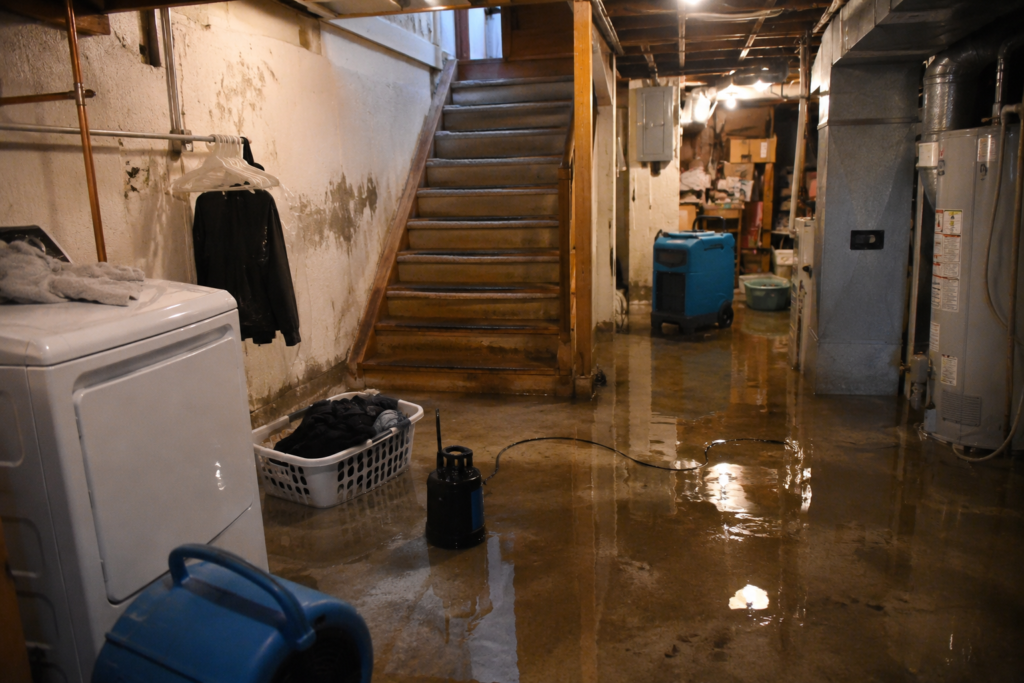
He told us afterward that the thing he wished someone had told him sooner was to stop watching videos and just call. Not because he could not have done some of it himself – but because every hour he spent figuring it out was an hour the moisture was moving deeper into his walls.
That is the honest truth about basement flooding. The water you see is not the emergency. The clock is.
ProTrust Water Damage – available 24 hours a day. For Grand Rapids and Kent County homeowners dealing with basement flooding right now, the team at grand rapids mi water damage.are the local certified experts who know this city and will get to you fast.
Leave a Reply